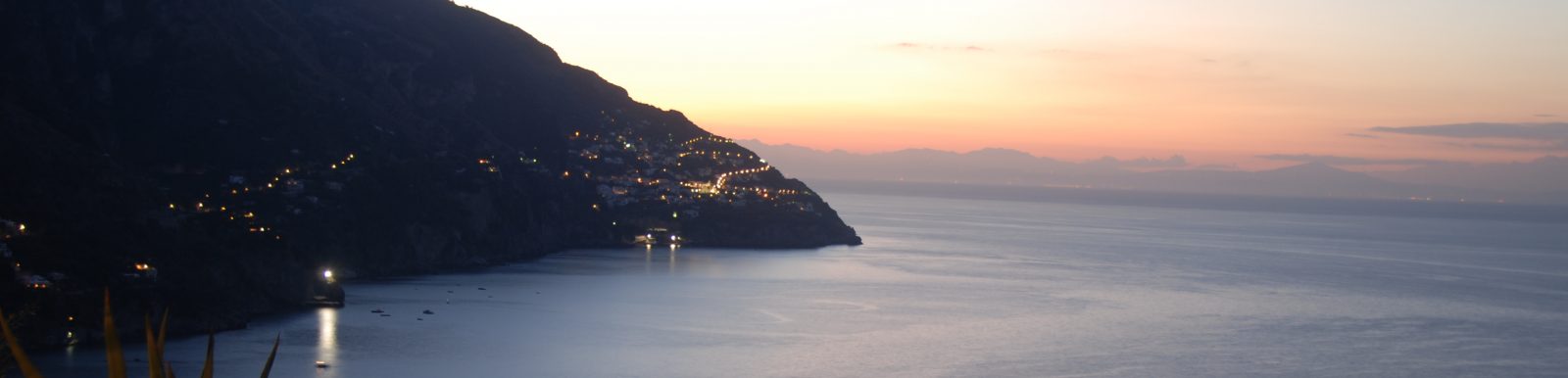
Dubrovnik
Sapphire colored Adriatic Sea, ancient Old Town and abundant seafood

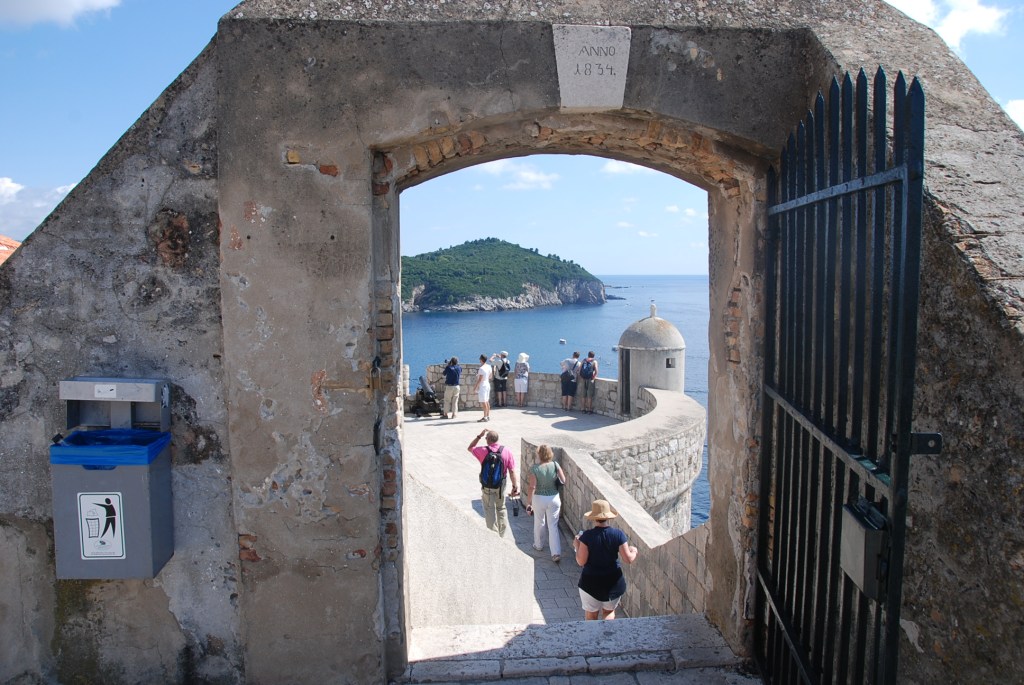
Dubrovnik is located along the Dalmatian Coast of Croatia, the slender piece of land that is on the Adriatic Sea. The impossibly blue waters of the Adriatic Sea and the warm climate makes it an increasingly popular vacation destination. The medieval Old Town is well preserved and ringed with massive stone walls and forts. It’s equally beautiful whether looking from the inside out to the sea or viewed from outside the stone walls toward Old Town. The impressive stone walls were completed in the 16th century to protect the city from invaders.
How to Travel to Dubrovnik

There are non-stop flights from the U. S. east coast to Dubrovnik Airport (DBV). You can also fly from many cities in Europe. Shuttle buses depart after every flight or you can take a cab or private car for the 30 minute drive. Platanus Travel Agency is a great source to consult.
What to See in Dubrovnik

Old Town Walls – A popular activity is to walk on the stone walls that surround the city. Buy a ticket and enter from one of 3 main starting points. I recommend starting at the Pile Gate entrance. To avoid crowds and take advantage of the incredible views, plan to go in the morning or later in the afternoon. Go at your own pace. Wear a hat and bring water with you because shade is scarce and it’ll most likely be hot. You’ll be happy if you wear comfortable shoes to navigate the many steps and uneven stone walkways. It can take a couple of hours if you take your time and enjoy the scenery.
Game of Thrones was filming when we visited. If you are a fan of the show, there are tours that explore the locations where scenes were shot.
The Strada – This is the main street connecting the two massive gates that protected the ancient city, Pile City Gate- the main city entrance- and Ploce City Gate- located near the Old Harbor. The Strada is lined with shops and restaurants-and many people, especially during the day. Located at the eastern end of the Strada is the Sponza Palace- a cultural center and archive that was once the customs office, bell towers, Church of St. Blaise, the patron of Dubrovnik, the Rector’s Palace and Orlando’s Column.


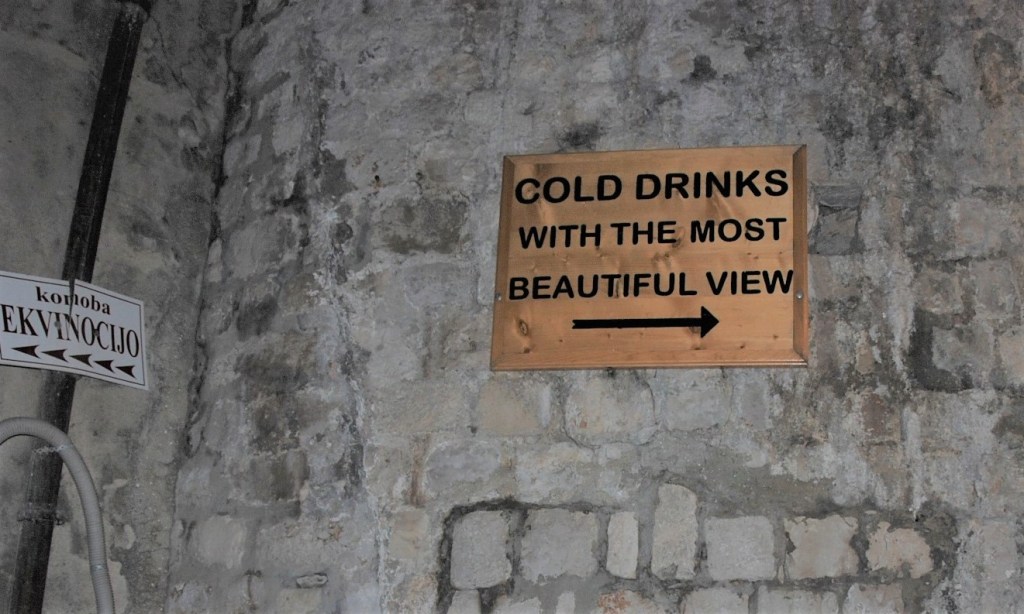
Buza Bar – There are two quirky, once secret bars, Buza and Buza II, located on the outside of the city walls perched on rocks overlooking the Adriatic. Buza means ‘hole’ and it is literally a hole in the wall but don’t be misled by my description. It’s not to be missed. There are a few tables available but you can just lounge on the rocky cliffs along with everyone else or dive off the cliffs into the clear, blue water. They only serve drinks, no food, and cash is required.

Most people know how to find the bars and they’ll point the way. It’s a bit challenging to find at night and they get crowded around sunset. To visit the original Buza bar climb the Jesuit Stairs from Gundulic Square. Turn left toward the wall & then right to keep following the wall. Look for sign Cold Drinks with the Most Beautiful View. Walk a short distance then enter a narrow arched door through the wall and step onto the cliffs.
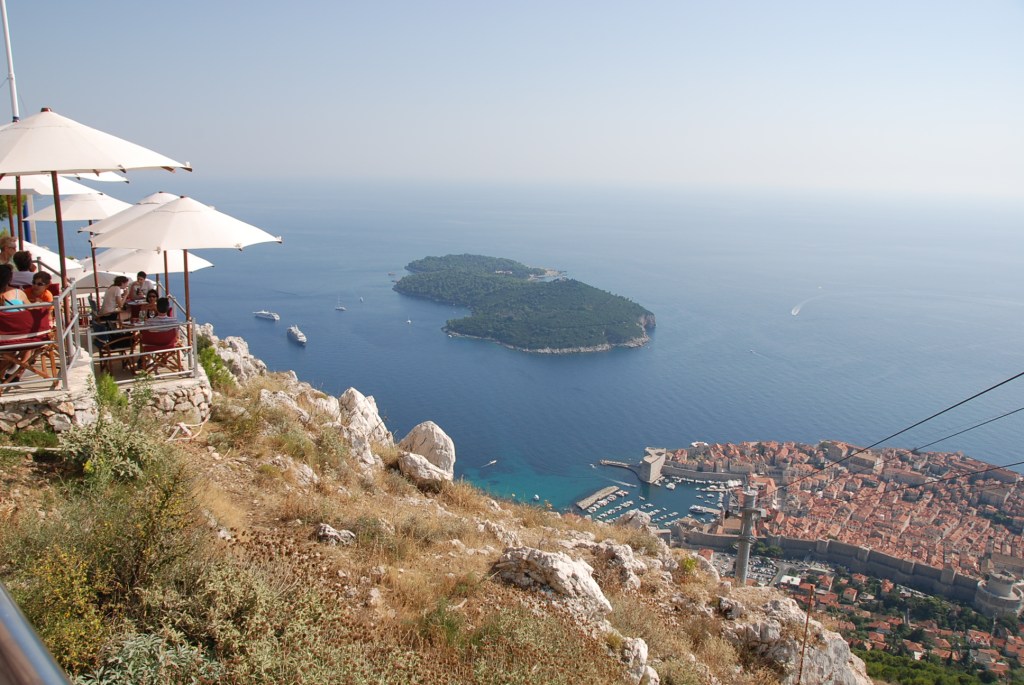
Mount Srd – We rode the gondola to Mount Srd, a hill above Dubrovnik, where you have panoramic views of the Old Town and the Adriatic Sea. After exiting the gondola, you’ll see a large white cross and Fort Imperial which was built by the French in 1810 during the Napoleanic War. The Museum of Croatian War of Independence, fought from 1991 to 1995, is housed in Fort Imperial. It is definitely worth a visit to learn about Croatia’s struggle for independence about which I knew nothing.
The Panoramic Restaurant is a perfect place to grab a drink or snack and take photos before heading back to Old Town.
Old Town Harbor – The harbor is lined with boats and restaurants. While it does attract crowds the setting is very peaceful and a great spot to enjoy a fresh seafood dinner.

Lokrum Island – We took a 10 minute ferry ride from the Old City harbor to Lokrum Island. The island was settled by Benedictine monks. Today you can walk through the nature reserve, visit ancient buildings and climb paths for breath-taking views of Dubrovnik. The Lokrum Island site may be helpful should you be interested in visiting. It’s a nice break from the crowds and heat of the Old Town.
Banje Beach – is steps outside the Ploce Gate and overlooks the Old Town harbor and Lokrum Island. Their site Banje Beach has all the details you need. In addition, to renting chairs you can just throw down a towel and enjoy the beach.

Water sports – A variety of water sports are available in Dubrovik. Take advantage of the gentle Adriatic and beautiful scenery as you sea kayak, enjoy a boat tour or rent jet skis.
Where to Eat in Dubrovnik

The Adriatic Sea, is just steps from restaurant kitchens in Dubrovnik, provides the freshest seafood.
Defne – an elegant terraced restaurant located atop the Pucic Palace Hotel. The atmosphere is romantic and the food is excellent.
Arka – we ate at this outdoor restaurant, located at the base of the Jesuit stairs, twice because the seafood was delicious, the servers so helpful and it was just a relaxed place to enjoy great food and people watch.
Restaurant Dubrovnik – a wonderful restaurant serving upscale Mediterranean dishes.
Easy Day Trips from Dubrovnik
Cavtat – It’s an easy bus or a boat ride from Dubrovnik to this small harbor town. The impressive yachts moored at the marina can be viewed as you wander the waterfront. Again, seafood is the highlight at the harbor restaurants.
Lopud Island – We took a boat to Lopud Island, one of the Elaphiti islands. The small town sits on the half-moon shaped Bay of Sunj with sandy beaches. Stroll through the quiet town, visit St. Jeronima church and enjoy this charming island.
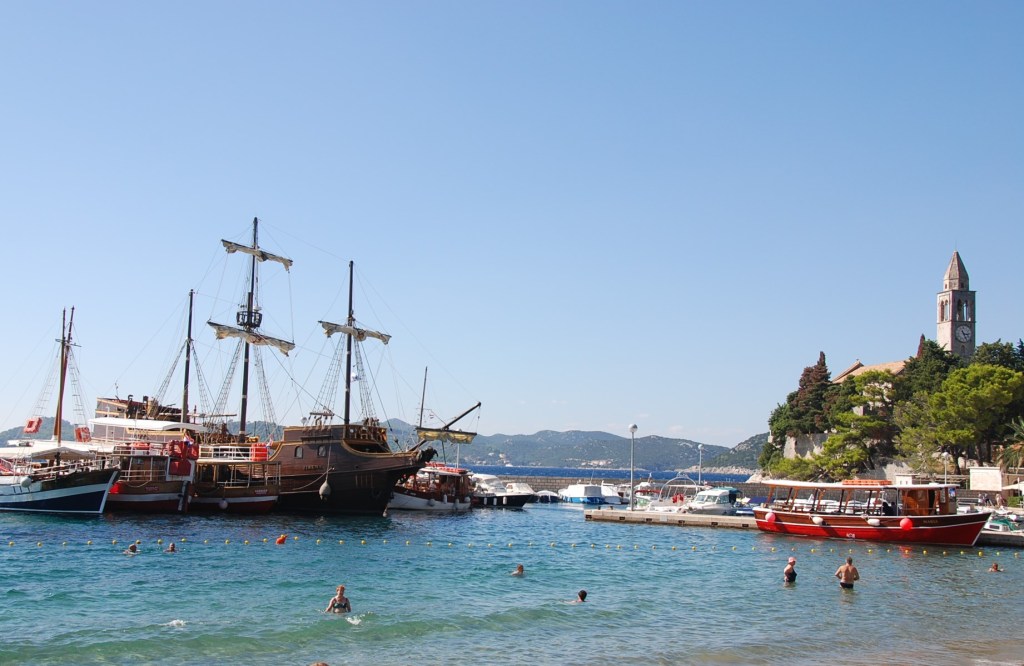
Ston and Mali Ston – Great day trip about an hours drive to escape the frenzied pace of Dubrovnik. Ston starts the beginning of the famed wine region of the Peljesac peninsula. As you drive to wineries to sample wines, notice the steep, rocky slopes where the vines grow. This soil produces small but very flavorful grapes. Enjoy fresh oysters plucked right from Mali Ston Bay, purchase salt that’s been dried in the area’s salt pans and walk the impressive ancient wall that once provided protection for these towns. It’s hard to imagine what it took to build it up and over the mountainside.

Montenegro – It’s a full day trip on steep and curvy mountain roads so hiring a driver is a smart choice. Bring your passport! You will need to present it at the border. We stopped at the picturesque Perast before arriving in Kotor. The town of Kotor is situated on the beautiful Bay of Kotor, climb the ancient wall above the city and wander the narrow alleys or walk along the bay. We enjoyed an excellent lunch at Restoran Bastion. Try their specialty – stuffed squid!
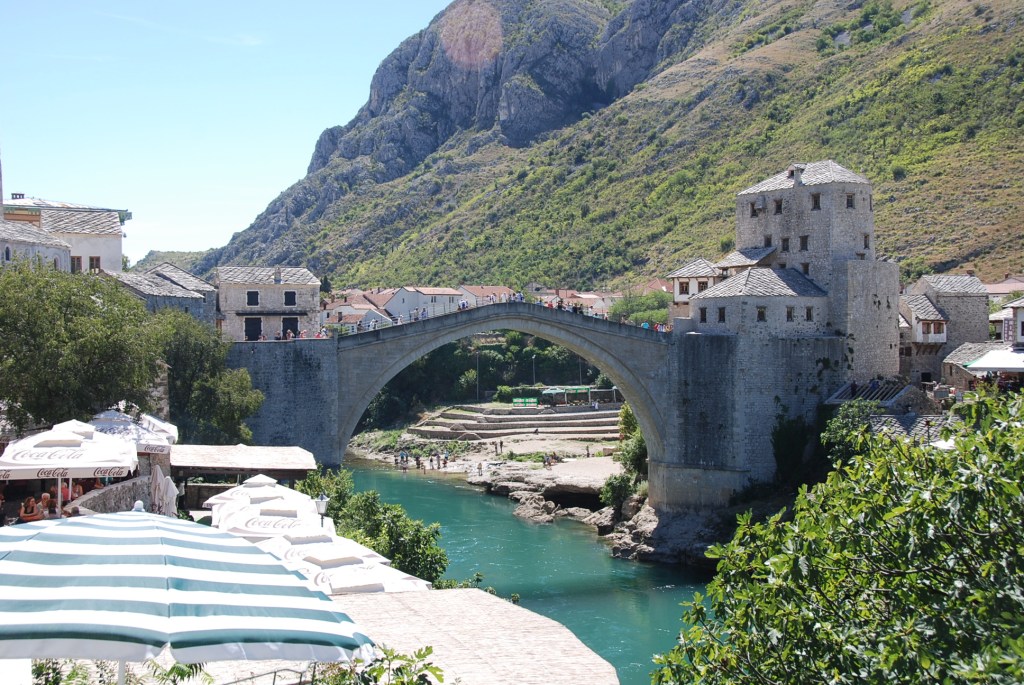
Bosnia & Herzegovina – They declared their independence following the breakup of Yugoslavia, and what followed was a three year long Bosnian War. Scars from the brutal battle are evident throughout Mostar. The famed Stari Most bridge (Old Bridge) in Mostar has been rebuilt after being destroyed. Brave (crazy) divers leap from the highest point of the bridge into the shallow river below. Wander through the alleyways where vendors sell souvenirs made from used shell casings and many other crafts. Tourism has become a very important part of their economy and survival.
Where to Shop in Dubrovnik

The shopping in Dubrovnik is somewhat limited to touristy souvenirs but you can find small stands in some of the city squares selling hand-made dolls in typical Croatian dress or small sachet bags filled with fragrant lavender. Jewelry stores selling more expensive rare red coral jewelry are located in the alleys off the main walkway.
In Bosnia Herzegovina, we purchased ammunition that had been used in the war. Craftsmen collected the shells and hammered designs into the shells or made pens, tanks or key rings from the metal. Copperware is also popular but be aware of fakes. Fez hats or pointed toe slippers are also popular souvenirs.
What to Pack When Traveling to Dubrovnik

Croatia coast has a typical Mediterranean climate in the summer. It is dry, hot and sunny. The fall and winter months can be rainy so to really enjoy this special country plan your visit in late Spring through October.
How to Plan a Trip to Dubrovnik

The currency is the Croatian kuna and it’s equal to the euro. Generally, if you pay in euros your change will be in kunas. Visa and Master Card are also widely accepted at restaurants and shops.
Due to the arid climate, many visitors find themselves very thirsty while visiting Croatia so plan to have a water bottle on hand.
English is widely spoken in Dubrovnik and most restaurants have menus written in English.
Tips for restaurant servers is 10%. If you receive excellent service your waiter will appreciate a 15% gratuity.
Dovidenja from Dubrovnik

Croatia Banje Beach Bosnia Herzegovina Buza Bar Cavtat Croatia Dalmatian Coast Dubrovnik Game of Thrones Lokrum Lopud Mali Ston Old Town Dubrovnik Seafood Walls of Dubronik

 Beth's Boarding Pass